
Where the work began
Woad Crestzone began beside a working garden, when a few packets of heirloom indigo, madder, and weld needed a place to be grown rather than stored. We started by following their requirements: the soil, the insects, the harvest window, and the patient work of saving seed.
A garden built for colour
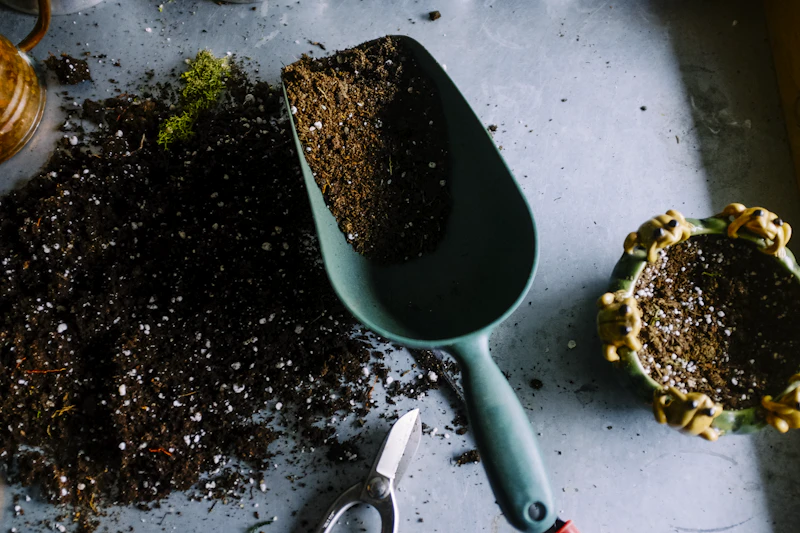
Our beds are planned as a connected habitat, not a single-purpose field. Nitrogen-fixing plants, flowering borders, compost crops, and dye-bearing varieties share space so the garden can feed its soil while producing meaningful plant colour.
Learning from the first vats
Early dye baths taught us that consistency does not mean sameness. We began recording weather, water, plant age, fibre preparation, and every dip, building a practical archive that respects natural variation while helping makers plan their work.
How we share the practice
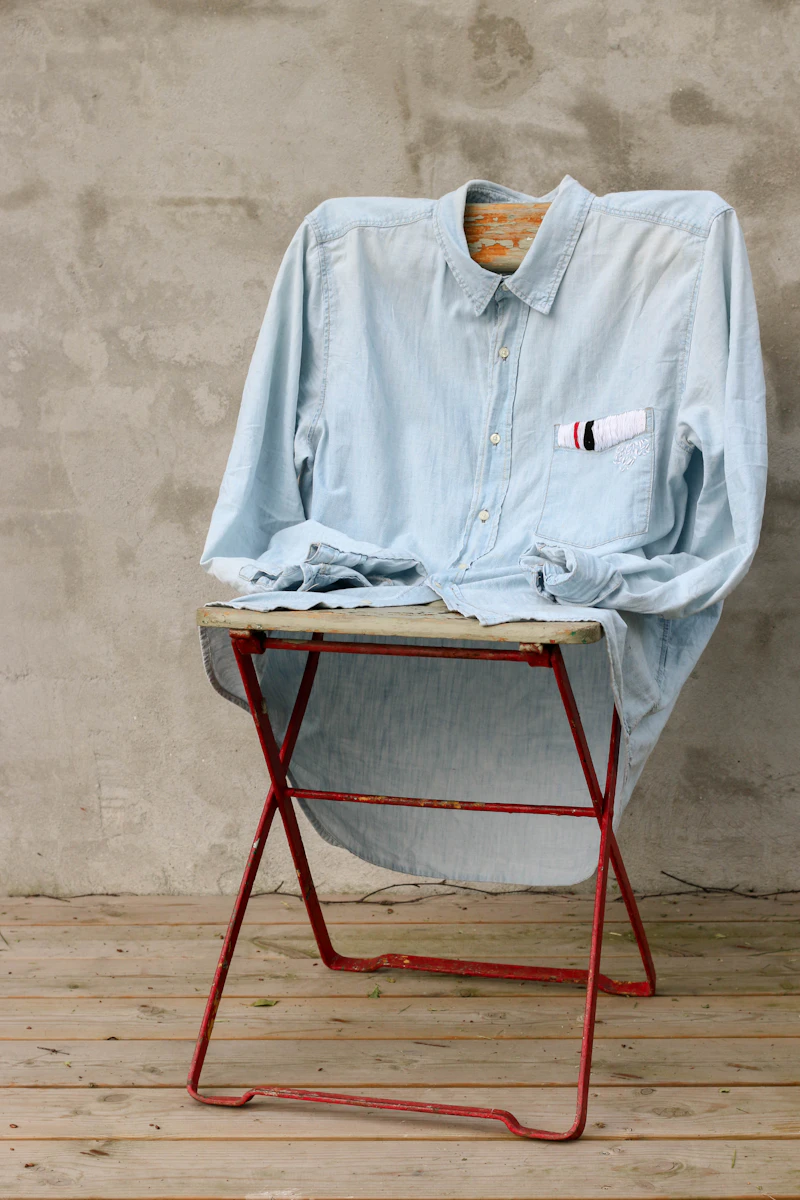
We share seed, small-batch extracts, cloth, and workshops with growers, weavers, designers, and curious beginners. Each exchange includes the context behind the colour, so a material is understood as part of a living process rather than an anonymous supply.
What we protect
We protect plant knowledge that is easy to lose: which varieties thrive in a small urban plot, which roots need three years, which leaves should be harvested before flowering, and which recipes make the most of a modest crop. This is practical heritage, kept alive by use.
The next season is a promise
We are building a slower, more transparent textile culture in which growers can see the value of their plants and makers can name the source of their colour. Our next season is measured in healthy soil, returned seed, and cloth made to be kept.